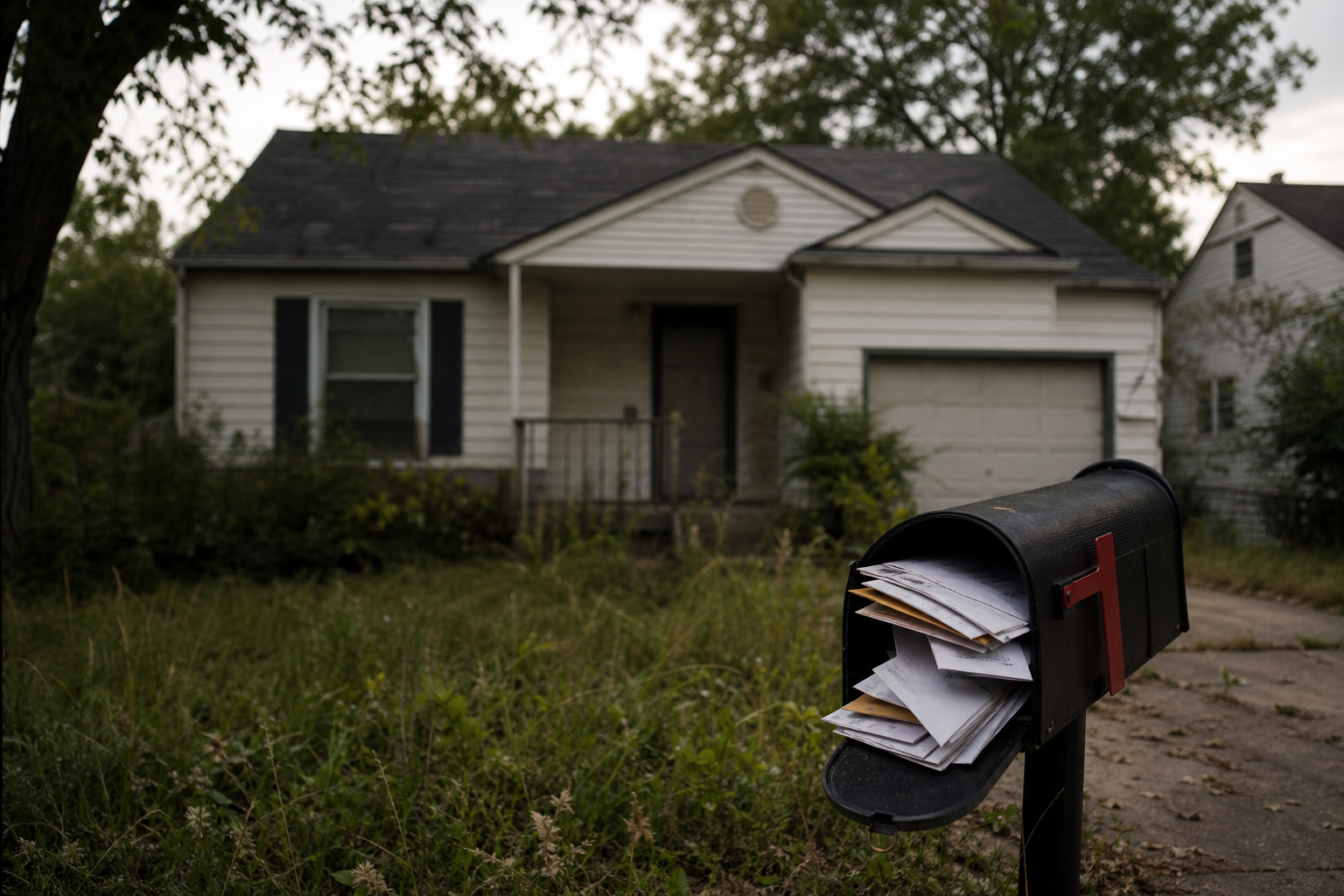
Foreclosure Rates 2026: What’s Really Happening
A seller call that explains the foreclosure rates 2026 spike better than any chart
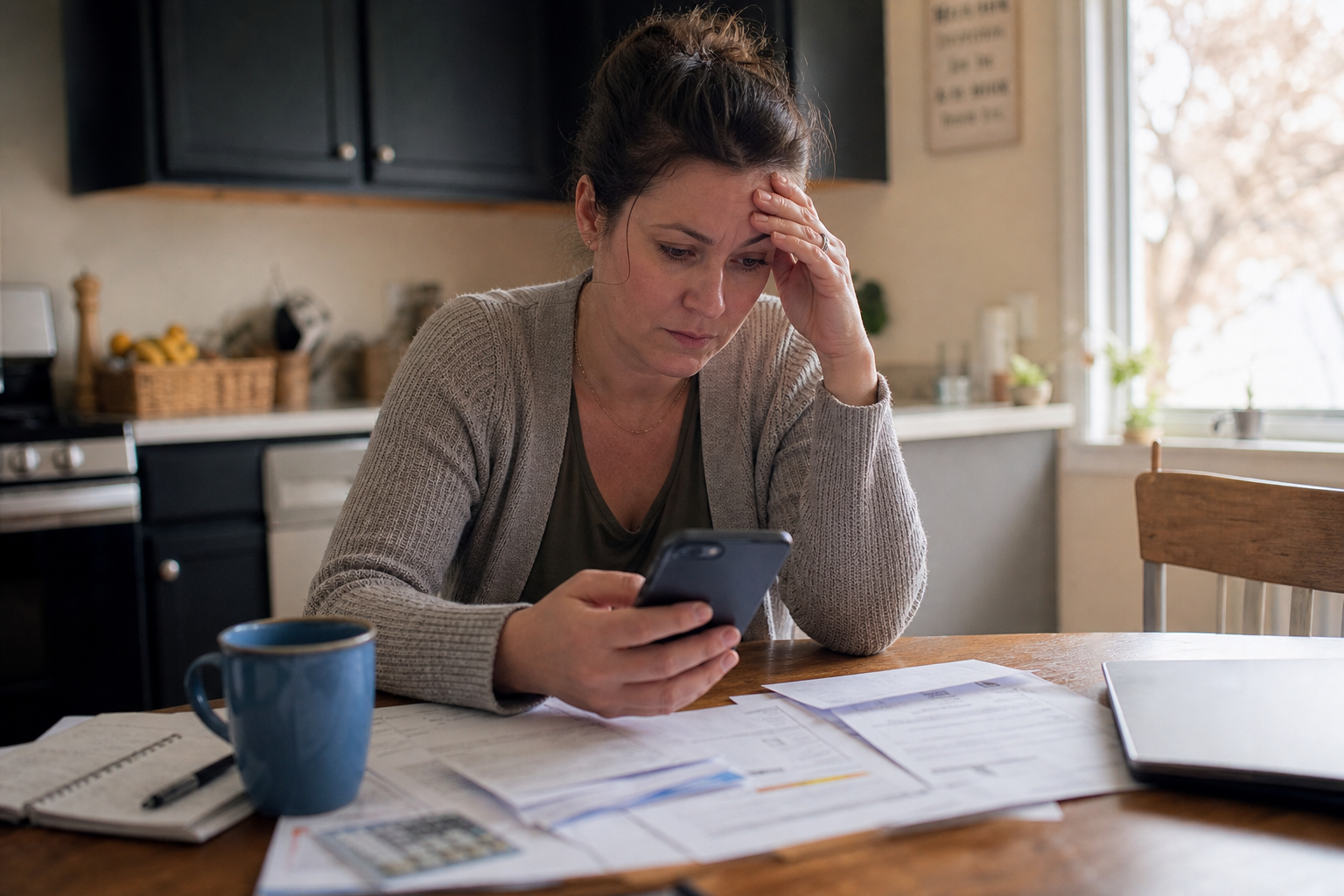
A seller picked up the phone and said, “I thought I had more time.” The mortgage had reset, the payment jumped, and the runway disappeared.
This is the part most people miss when they read about foreclosure rates 2026. It doesn’t start with a bank taking a house. It starts with a normal person who ran out of options.
Across multiple metro markets, that same pattern is showing up. Adjustable loans resetting. Insurance costs climbing. Taxes getting reassessed after values rose. None of those feel dramatic on their own. Together, they push a household past the line.
Data backs the direction. ATTOM’s housing reports have tracked an increase in foreclosure activity compared to prior years, especially in specific metro areas where affordability stretched the furthest during the run-up (ATTOM Data).
That’s the real story behind the headlines. Not reckless speculation. Pressure stacking up quietly until something breaks.
Why certain metro areas are leading foreclosure rates in 2026
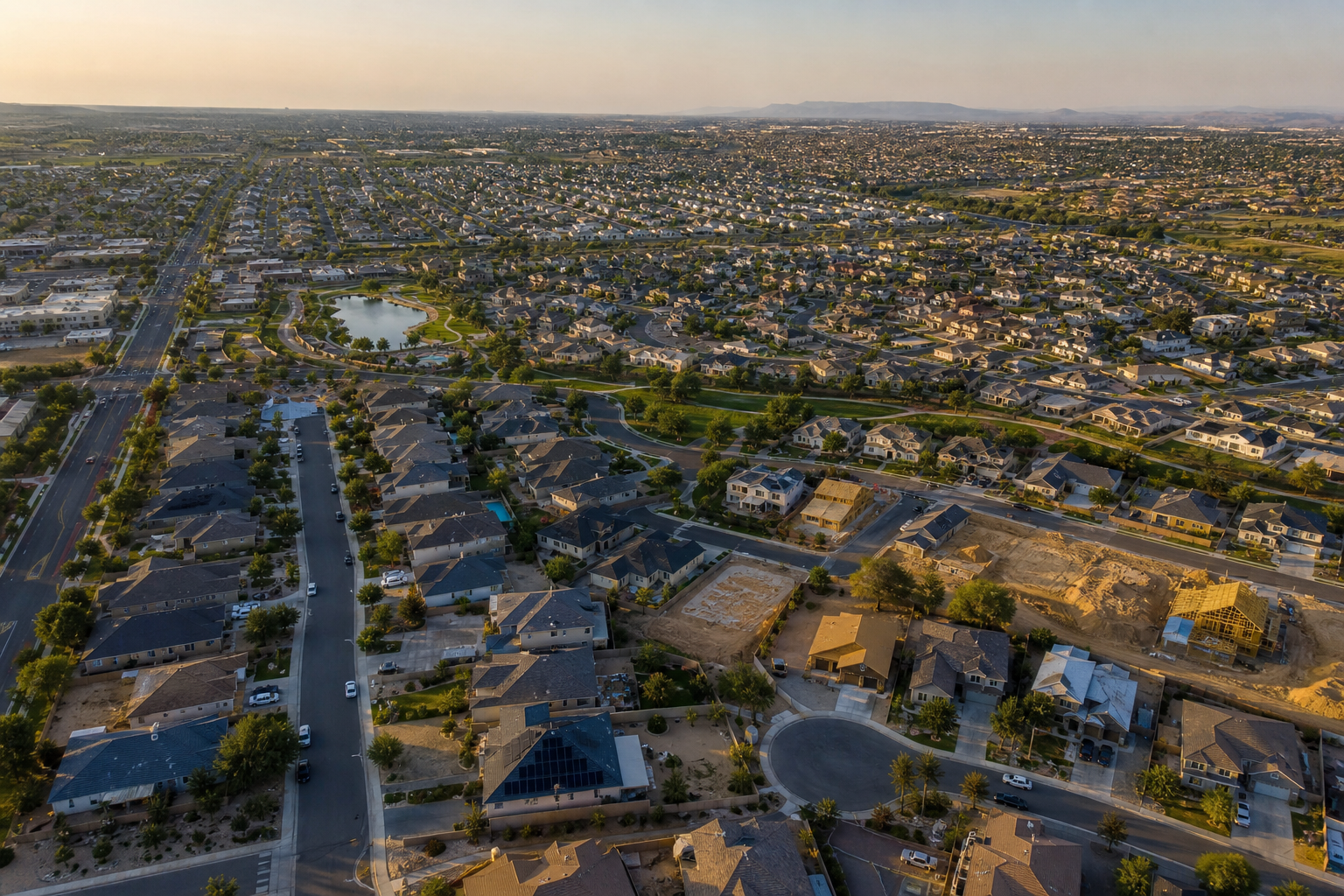
Not every city is seeing the same thing. The highest foreclosure markets tend to share a few traits.
Rapid price growth followed by affordability strain. Areas that saw aggressive appreciation pulled in buyers at the edge of what they could afford. When costs shift even slightly, there’s no buffer.
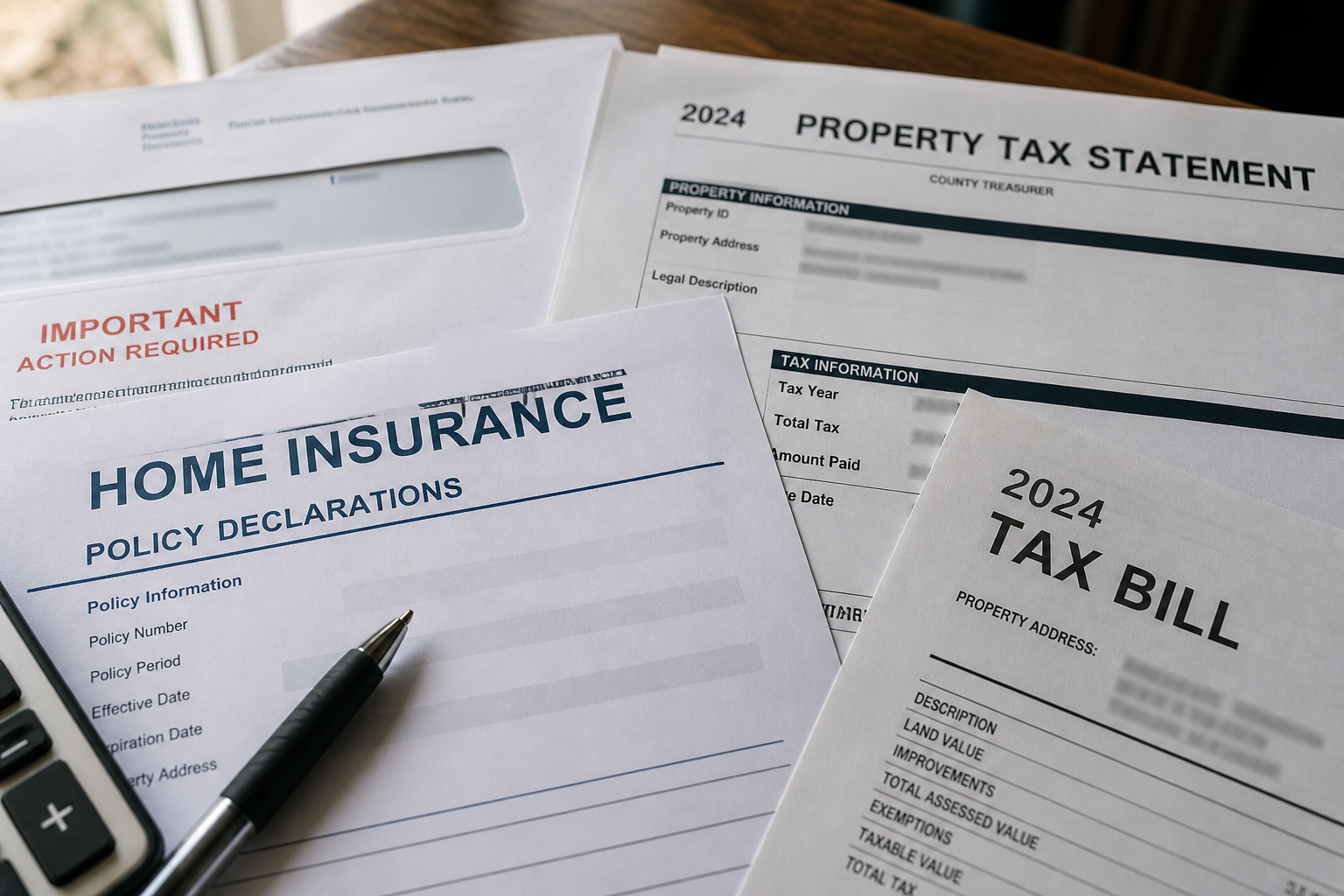
Insurance and tax spikes are a second layer. In places like parts of Florida and the Sun Belt, insurance premiums have climbed fast. Property taxes follow higher values. The payment people budgeted for no longer exists.
Income growth hasn’t kept pace in many of these metros. According to the U.S. Bureau of Labor Statistics, wage growth has been uneven across regions, which means housing costs rose faster than what households actually bring in.
Inventory also matters. Markets flooded with new construction or investor-owned homes tend to correct faster. When sellers compete for fewer buyers, distress surfaces quicker.
That combination creates clusters. It’s why foreclosure rates 2026 are not a national crisis story. They’re a local pressure story.
The uncomfortable truth: most foreclosures aren’t bad decisions
There’s a common narrative that foreclosures come from irresponsible buying. That’s not what shows up in actual deals.
Most sellers going through distress made a reasonable decision based on the information they had at the time. They bought a house they could afford under the conditions that existed then.
The contrarian reality is this: foreclosures are often driven more by changing external costs than by the original purchase decision.
Insurance doubles. Taxes adjust. A job changes. A loan resets. The deal that worked stops working.
The Federal Reserve has documented how household financial stress often comes from expense shocks, not just income loss (Federal Reserve SHED Report).
That matters if you’re watching this market. It means today’s distressed sellers don’t look like the ones from the last housing crash. They’re closer to regular homeowners who got squeezed.
What foreclosure rates 2026 actually mean if you’re renting
Rising foreclosure activity doesn’t automatically mean cheaper rent. That’s where a lot of people get this wrong.
When a home goes into foreclosure, it doesn’t disappear. It transfers. Often to another investor or a buyer who plans to rent it.
In tighter markets, that can keep rents elevated because the underlying demand for housing hasn’t changed. The ownership changes, not the need for a place to live.
In softer markets, you may see more rental supply show up from distressed inventory. That can stabilize or slightly reduce rent growth, but it rarely creates dramatic drops on its own.
The National Multifamily Housing Council tracks rental demand and supply trends, and their data continues to show strong baseline demand even as ownership stress rises (NMHC Research).
So if you’re renting and watching foreclosure headlines, the takeaway is simple. It’s a signal about stress in ownership, not a guarantee your rent is about to fall.
What buyers get wrong about buying foreclosures
Foreclosures look like discounts from the outside. Sometimes they are. A lot of the time, they’re just deferred problems.
Houses that go through distress often have delayed maintenance. Roof issues, plumbing problems, cosmetic neglect. The visible price doesn’t include the work needed to make the property livable or rentable.
There’s also competition. Many buyers assume foreclosures mean less demand. In reality, investors watch these markets closely. When a deal actually makes sense, it rarely sits.
One operator in the Midwest walked a distressed property and realized the repair scope changed the entire math. The initial price looked attractive. The real cost, after work, put it right back at market level. The quote that stuck was simple: “The discount disappeared once I priced the problems.”
Buying in a high foreclosure market requires the same discipline as any other purchase. Run the numbers. Factor in repairs. Assume things will cost more than they look at first glance.
A simple deal filter you can actually use (save this)
Most people overcomplicate how to evaluate distressed properties. This is the filter used on actual deals before going deeper.
- Payment reality: If the monthly cost after purchase is higher than comparable rent, the deal needs a clear reason to justify it.
- Repair visibility: If major systems like roof or HVAC are unknown, assume replacement-level cost until proven otherwise.
- Neighborhood stability: Look for consistent occupancy and maintained properties nearby. Distress clusters can drag values.
- Exit clarity: Decide upfront whether the plan is to live in it, rent it, or sell it. If that answer is fuzzy, the deal usually is too.
- Time buffer: If the deal only works under perfect timing, it’s fragile.
This filter doesn’t require industry jargon. It forces clarity before emotion takes over.
Where this goes next and who actually benefits
Foreclosure rates 2026 will likely continue to vary by market rather than move in one direction nationwide.
Areas with stretched affordability and rising costs will keep seeing pressure. Markets with balanced pricing and steady income growth will stay more stable.
The people who benefit aren’t the ones chasing headlines. It’s the ones who understand the underlying math and stay patient.
Distress creates opportunity, but only if you can separate signal from noise. Most properties that look like deals aren’t. A small percentage are. The work is in knowing the difference.
If you’re a homeowner feeling pressure, the earlier you look at options, the more you usually have. Waiting tends to remove flexibility.
That’s the real shift happening right now. Not a collapse. A redistribution of who owns what, and under what terms.
Frequently Asked Questions
What are foreclosure rates in 2026 compared to previous years?
Foreclosure activity has increased in several metro markets compared to recent years, according to ATTOM data, but it remains localized rather than a uniform national spike.
Why are foreclosure rates rising in certain cities?
They are rising due to a mix of higher insurance costs, property tax increases, and loan payment changes, combined with income that hasn’t kept up, as reflected in Federal Reserve and BLS data.
Do higher foreclosure rates mean housing prices will crash?
No, not automatically. Foreclosures can increase supply in specific areas, but demand and local market conditions determine whether prices actually decline.
Is buying a foreclosed home a good deal?
Sometimes, but only if repair costs and total ownership expenses make sense. Many distressed properties require significant work that offsets the apparent discount.
How do foreclosure rates affect renters?
They don’t directly lower rent in most cases. Homes still get occupied, often by new owners or investors, and rental demand remains strong in many markets.