
Inherited House You Don’t Want: What to Do
The moment you realize you own a house you never asked for

Keys in hand, paperwork on the table, and a property you didn’t plan for. That’s how most people meet an inherited house they don’t want.
It doesn’t feel like an asset at first. It feels like a problem. There’s maintenance, taxes, maybe family tension, and a timeline you don’t fully control.
This guide walks through what actually happens next, in plain terms. No jargon. Just the decisions in front of you and how to think about each one.
First decision: keep it, rent it, or sell it
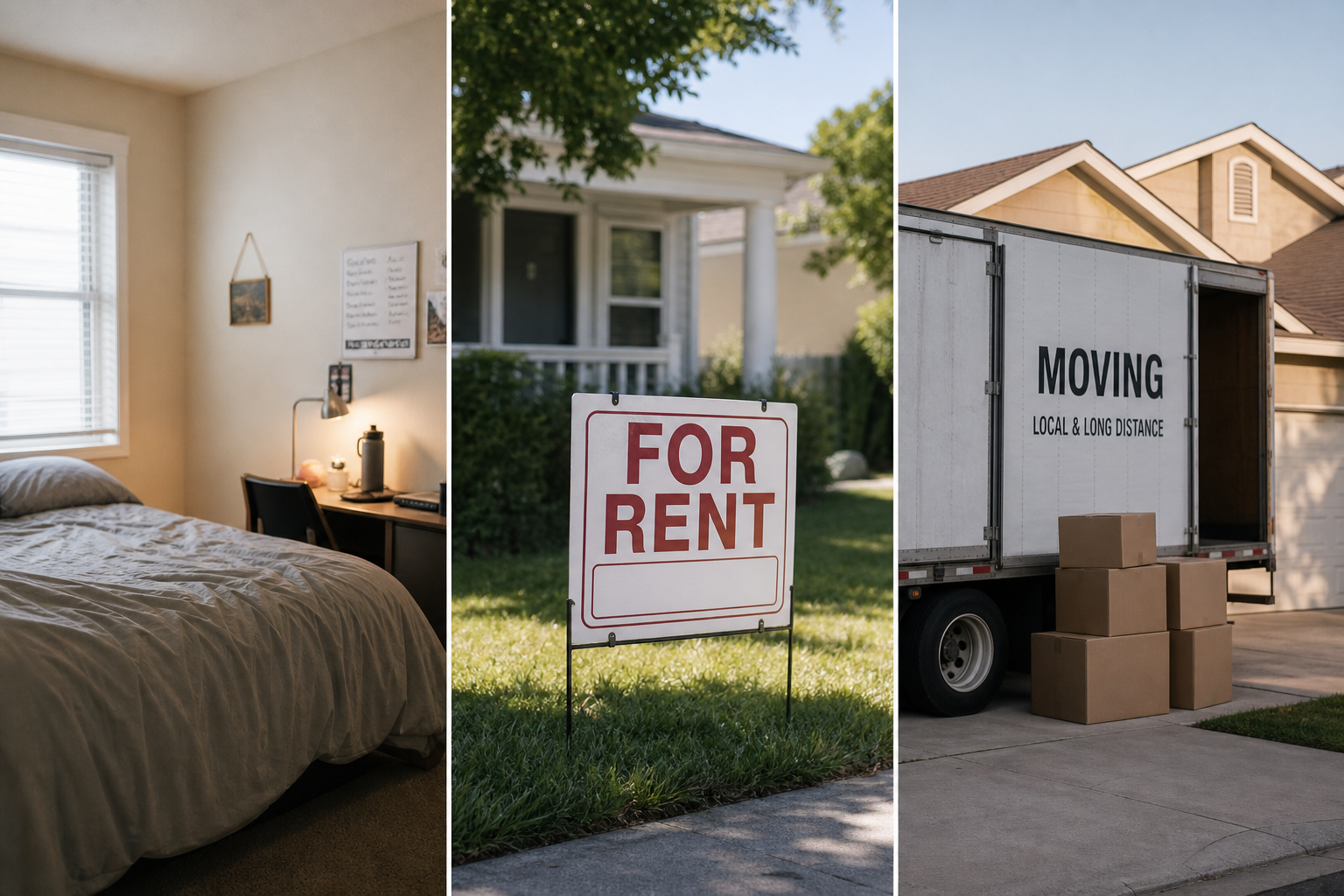
Every path comes with tradeoffs. Most people default to selling, but it’s worth pausing long enough to understand the other two.
Keep it
Keeping the house makes sense if you want to live there or if the payment and upkeep fit your life. The hidden cost is time. Repairs, insurance, taxes, and decisions don’t stop.
Rent it
Turning it into a rental sounds attractive until you deal with tenants, vacancies, and repairs. The key question is simple: does the rent cover the mortgage, taxes, insurance, and a reserve for things breaking?
Sell it
Selling is the cleanest exit. You convert the house into cash and move on. The tradeoff is making sure you don’t rush into a bad sale or miss tax details.
Most people choose based on stress, not spreadsheets. That’s normal. Just make sure you understand the costs you’re accepting either way.
Inherited house taxes most people misunderstand
The tax side is where expensive mistakes happen. The good news is the rules are more forgiving than people expect.
The step-up in value
When you inherit a house, the value resets to what it was worth at the time of inheritance. That means if you sell close to that value, your taxable gain is often small.
The IRS explains this in detail in Publication 551.
Capital gains if you sell later
If the property goes up in value after you inherit it and then you sell, you may owe taxes on that increase. If you move in and live there long enough, you may qualify for exclusions described in IRS Publication 523.
Property taxes and ongoing costs
Property taxes don’t pause. Insurance doesn’t either. If the house sits empty, those bills still show up.
For a broader overview of homeownership costs, the Consumer Financial Protection Bureau breaks it down here: CFPB homeownership guide.
The fastest way people lose money on inherited property
Speed without clarity. That’s where money leaks.
It shows up as accepting the first offer because the house feels like a burden. Or dumping money into renovations without knowing if you’ll get it back.
One owner put it plainly: “I just want it gone.” That mindset attracts buyers who price in your urgency.
The better approach is simple. Decide your outcome first. Clean exit, maximum price, or minimal effort. You rarely get all three.
If the house needs major work or you’re dealing with probate delays, selling as-is to a direct buyer can remove months of uncertainty. It won’t be the highest price on paper, but it’s often the most predictable path.
A simple decision framework you can actually use
Save this. It’s the quickest way to decide what to do next without overthinking it.
- If you want out fast: Sell as-is. Prioritize certainty and timeline.
- If you want the most money: Clean it out, consider light repairs, and sell on the open market.
- If you’re unsure: Hold short term while you evaluate costs, but set a decision deadline.
- If family is involved: Get alignment early. Disagreements delay everything.
- If repairs are overwhelming: Don’t start them without a clear resale plan.
This isn’t about finding the perfect option. It’s about avoiding the expensive mistakes that come from drifting.
What a direct sale actually looks like behind the scenes
Most people haven’t seen how a direct home sale works.
You walk the property, agree on a price, and close without repairs, showings, or open houses. The timeline is measured in days or weeks instead of months.
The tradeoff is price versus convenience. You’re selling certainty.
If the house is inherited, outdated, or sitting empty, that tradeoff often makes sense. Especially when holding costs and stress start adding up.
That’s the part most guides skip. Time has a cost, even when it’s not on a spreadsheet.
What to do in the next 48 hours
Start here. Not next month.
- Confirm ownership status. Check if the property is fully in your name or still in probate.
- Estimate current condition. Walk the house and note major repairs only.
- Call the insurance company. Make sure the property is covered while vacant.
- Get at least two opinions on value. One from a traditional sale path, one from an as-is buyer.
- Set a decision deadline. Open-ended decisions create expensive delays.
If you’re dealing with an inherited house you don’t want and the goal is a clean, fast exit, you can see how we handle as-is purchases at svrehomeoffers.com. It’s built for situations exactly like this.
Frequently Asked Questions
Do I have to pay taxes when I sell an inherited house?
Not always. The property value resets at inheritance, so if you sell near that value, taxable gain is often limited. The IRS explains the rule in Publication 551.
Can I sell an inherited house without fixing it?
Yes. Many buyers purchase inherited homes as-is. This is common when the property needs repairs or the owner wants a faster sale.
What happens if the house is still in probate?
You usually need court approval before selling. Some buyers will work with you during probate, but timelines depend on the court process.
Is renting an inherited house a good idea?
Only if the rent comfortably covers all costs and you’re willing to manage tenants. If it barely breaks even, the stress often outweighs the benefit.
How fast can I sell an inherited house?
An as-is sale can close in weeks, while a traditional listing often takes longer due to repairs, showings, and buyer financing.