Judicial vs Non-Judicial Foreclosure Explained
A seller opened a foreclosure notice and didn’t know which system they were in
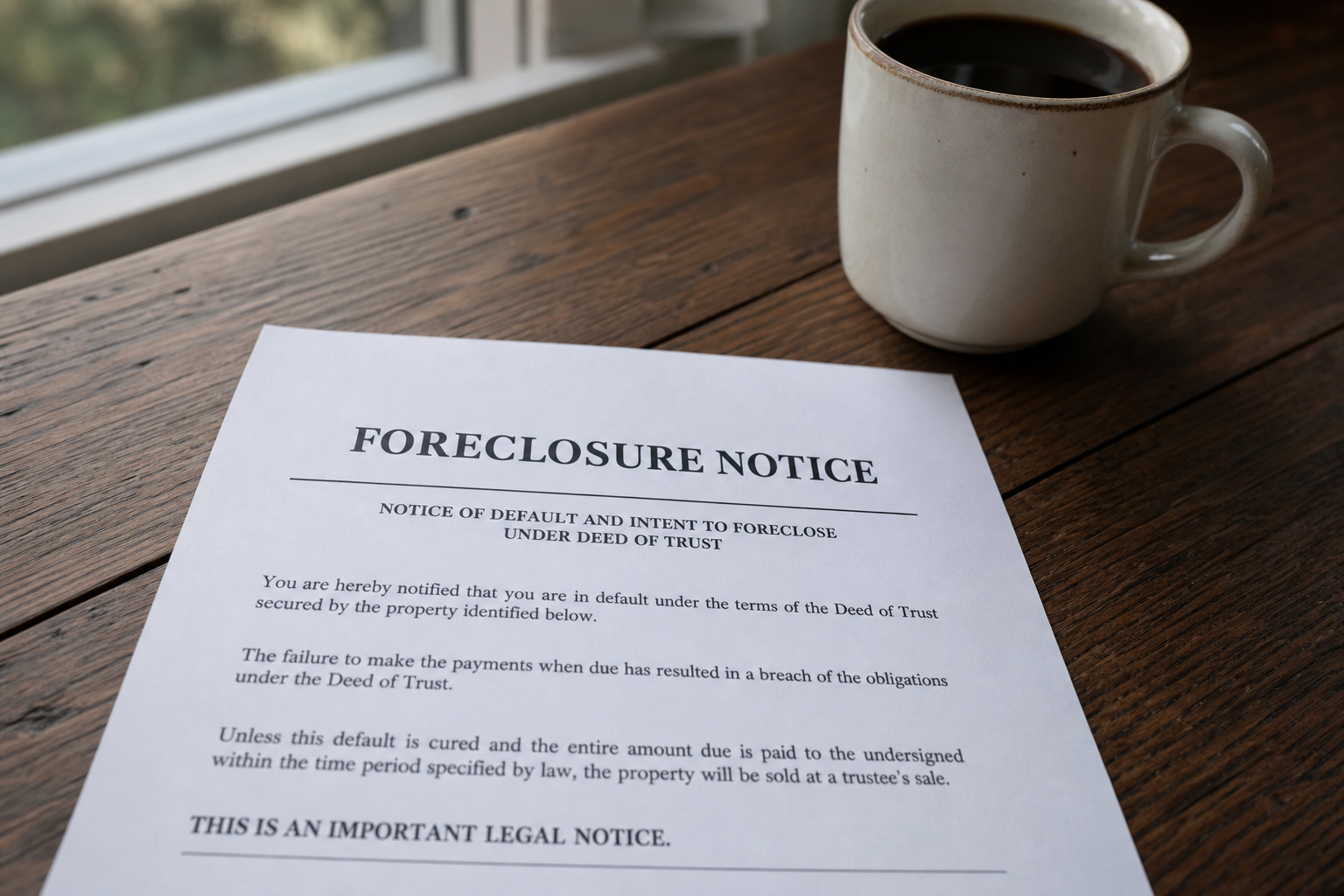
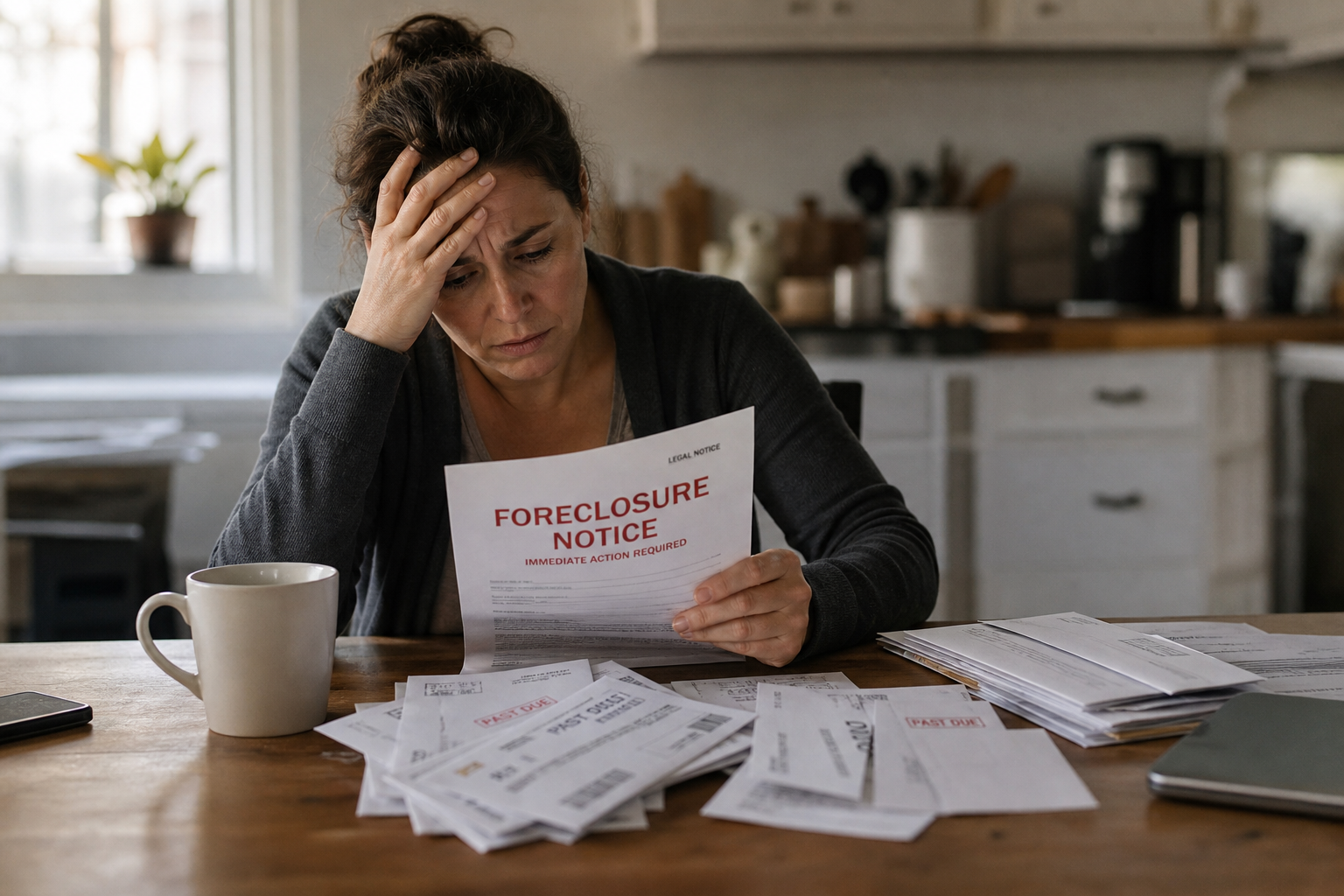
A homeowner opened a letter from the county and saw the word “foreclosure.” That part was clear. What wasn’t clear was whether the process would go through a court or skip it entirely.
That single difference changes everything. How long they have. Whether they can sell before losing the house. Whether they’ll ever see a judge. Even how much warning they actually get.
Judicial vs non-judicial foreclosure isn’t a technical distinction. It’s the difference between a slow, visible process and a fast one that can move before most people realize what’s happening.
If you own a house and fall behind on payments, this is one of the first things you need to understand. Not later. Right away.
Judicial vs non-judicial foreclosure in plain English
Judicial foreclosure means the lender has to go through the court system to take the property. A lawsuit gets filed. There’s a timeline. A judge signs off before anything happens.
Non-judicial foreclosure skips the court. The lender follows a state-defined process written into the mortgage or deed of trust. Notices get sent. Deadlines run. Then the property can be sold without a judge ever being involved.
Same outcome. Very different experience.
Why this exists at all
Some states require court oversight because foreclosure is a serious legal action. Others allow lenders to move faster if the loan documents already gave them that right.
The Consumer Financial Protection Bureau outlines both processes and emphasizes that your rights depend heavily on state law and the documents you signed.
That’s why two homeowners with the same problem can have completely different timelines depending on where the property sits.
Why non-judicial foreclosure feels like it comes out of nowhere
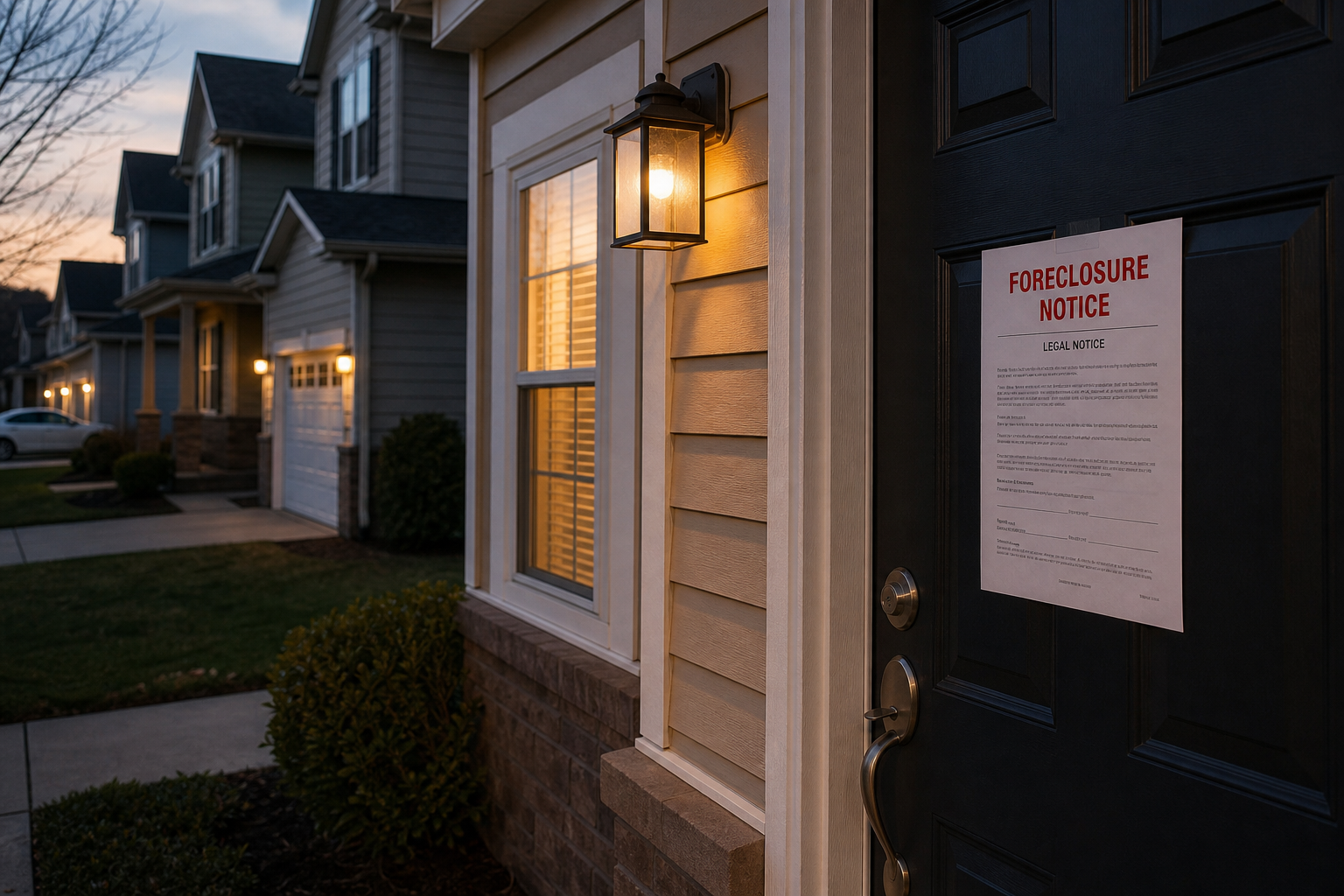
Non-judicial foreclosure moves faster. That’s not a scare tactic, it’s just how the system is built.
There’s no court scheduling delays. No waiting for hearings. Once the notice process starts, the clock runs on a defined track.
For sellers, this creates a common moment. Everything feels quiet, then suddenly there’s a sale date.
The Federal Trade Commission warns that foreclosure timelines can accelerate quickly once formal notices begin, especially in non-judicial states. You can see their breakdown here: FTC foreclosure guidance.
What that means in real life
You might think you have time because nothing visible is happening. No court date. No lawsuit paperwork. Then a notice of sale shows up and now there’s a fixed deadline.
This is where a lot of people get stuck. They wait for a “bigger signal” that never comes.
By the time it feels urgent, the options are already shrinking.
Judicial foreclosure buys time, but not as much as people think
Judicial foreclosure sounds safer because it goes through the courts. And yes, it usually takes longer.
But longer doesn’t mean flexible.
Once the case is filed, deadlines start stacking up. Responses need to be filed. Hearings get scheduled. If nothing is done, the process still moves forward, just with more paperwork attached.
The U.S. Courts system explains how civil cases progress, and foreclosure cases follow that same structured path: U.S. Courts civil case overview.
The hidden pressure in judicial states
People assume court involvement means protection. What it actually means is documentation.
If you don’t respond correctly, the case proceeds anyway. The timeline stretches, but the outcome often doesn’t change unless the homeowner takes action during that window.
This is where selling becomes a real option. Not because it’s ideal, but because it converts time into a decision instead of letting the process run on its own.
The decision most sellers don’t realize they still have

Foreclosure doesn’t instantly remove your ability to sell. That surprises people.
Until the property is actually sold at auction, you still own it. That means you can still sell it, pay off the loan, and stop the process.
This applies in both judicial and non-judicial states, but the timing window is very different.
Where sellers get tripped up
They assume once foreclosure starts, the house is already gone.
It’s not. But the window to act is shrinking in the background.
In non-judicial states, that window can close faster than expected. In judicial states, it can feel like there’s more breathing room, which leads to waiting longer than they should.
Either way, the decision point is the same. Act while you still control the outcome, or let the process decide it for you.
A simple decision framework sellers can actually use
This is where most explanations fall apart. They explain the system but don’t help you decide what to do inside it.
Use this instead.
Foreclosure decision checklist
- Step 1: Confirm your foreclosure type. Look at your state and your loan documents. If unclear, call the county recorder or a real estate attorney.
- Step 2: Identify your timeline. Find the earliest possible sale date listed in your notice paperwork.
- Step 3: Calculate payoff. Call your lender and request the exact amount needed to clear the loan.
- Step 4: Compare property value. Look at recent nearby sales to estimate what the house could realistically sell for.
- Step 5: Decide your path. Keep the property, sell it traditionally, or sell it quickly as-is depending on time and condition.
- Step 6: Act within your window. Waiting doesn’t pause the process unless you take a formal action.
This is the part that changes outcomes. Not the definition of foreclosure type, but how quickly you respond once you know it.
Where fast sales actually fit into this process
Some properties don’t have the time or condition for a traditional sale.
If repairs are needed, or the timeline is tight, listing the property and waiting for a retail buyer may not line up with the foreclosure clock.
That’s where direct buyers come in. Not as a magic fix, but as a timing solution.
When a seller needs to close quickly, without repairs or showings, the goal shifts from maximizing price to controlling the timeline.
If you’re already in that situation, take a look at svrehomeoffers.com. It’s built specifically for sellers dealing with pressure situations like foreclosure, inherited properties, or major repairs.
No extra steps. Just a clear path to closing before the process closes in on you.
What actually changes once you know your foreclosure type
The system stops feeling random once you understand which path you’re in.
Judicial foreclosure gives you visibility. Non-judicial foreclosure gives you urgency.
Neither one is good or bad on its own. They just require different decisions at different speeds.
The mistake isn’t being in foreclosure. The mistake is not adjusting once you know how your version of it works.
That’s where most outcomes get decided.
And usually, it happens earlier than people expect.
Frequently Asked Questions
What is the main difference between judicial and non-judicial foreclosure?
Judicial foreclosure goes through the court system, while non-judicial foreclosure follows a faster process outside of court. The difference affects how much time you have and how the process unfolds.
For example, the Consumer Financial Protection Bureau explains that judicial cases require a lawsuit and judge approval, while non-judicial cases follow pre-set notice timelines without court involvement.
Can I sell my house during foreclosure?
Yes, you can sell your house during foreclosure until the property is actually sold at auction. You still own the property during that period.
This is why many homeowners choose to sell before the final sale date to pay off the loan and stop the process entirely.
Which states use non-judicial foreclosure?
Some states allow non-judicial foreclosure if the loan documents include a power-of-sale clause. Others require judicial foreclosure by law.
The exact rule depends on state law, which is why checking your state guidelines or county records office is important.
Does judicial foreclosure mean I won’t lose my house?
No, judicial foreclosure does not prevent foreclosure. It only means the process goes through court and typically takes longer.
If no action is taken during that time, the lender can still complete the foreclosure with court approval.
How fast can non-judicial foreclosure happen?
Non-judicial foreclosure can move quickly because it skips the court system and follows a set notice timeline.
The Federal Trade Commission notes that once formal notices begin, deadlines can progress faster than many homeowners expect.