
How Rent Rolls Affect Apartment Value
The email that kills a deal before the walkthrough even happens
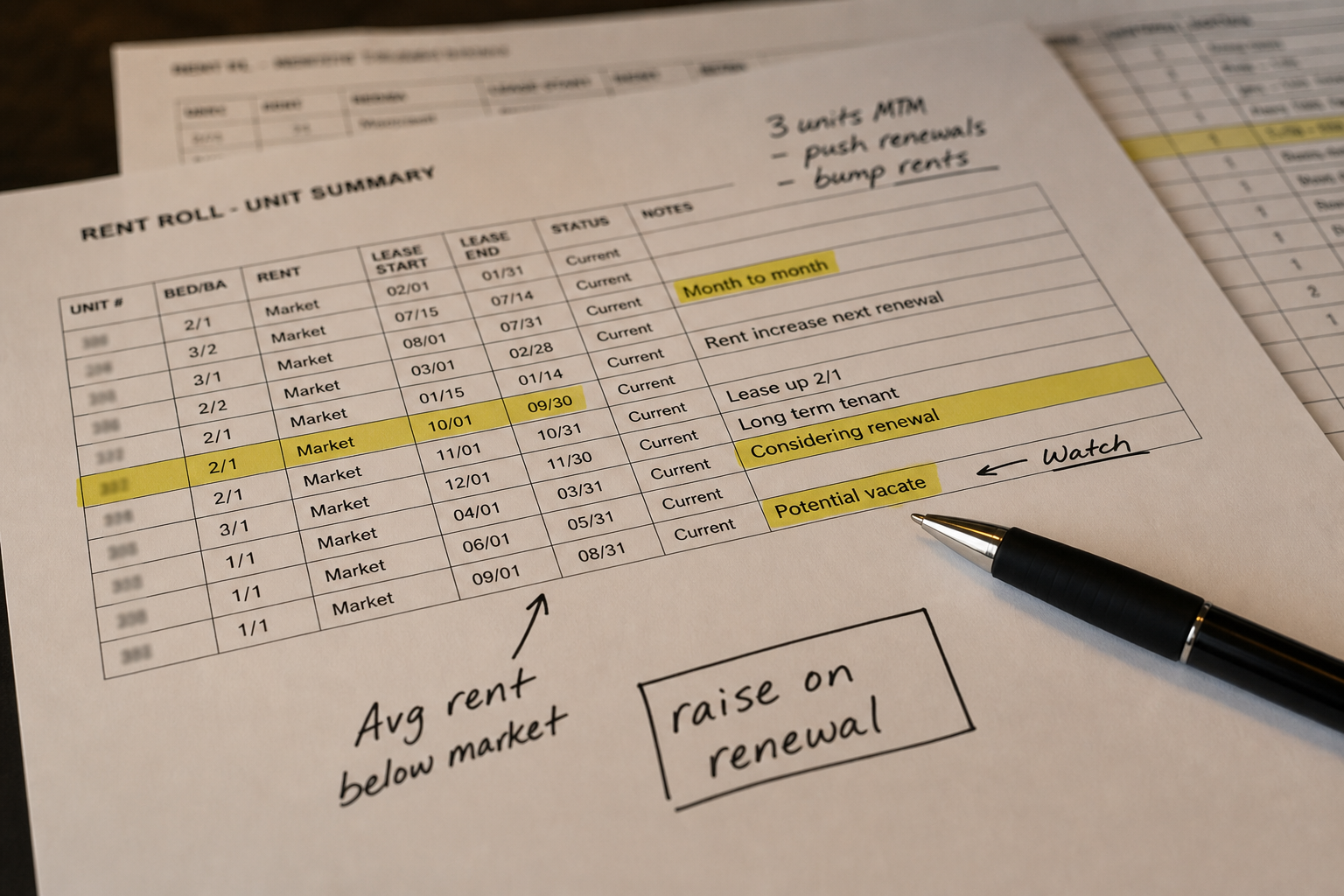
“Send the rent roll.”
That line decides whether a serious buyer keeps going or quietly disappears.
A rent roll is just a list of who lives in the building, what they pay, and when their leases end. Simple on paper. In reality, it is the fastest way for someone like me to decide if a property is worth pursuing or not.
Most owners think the value of their apartment building comes from the building itself. The roof, the units, the location. Those matter. But the first thing any investor looks at is the income. Not what the building could make. What it is actually producing right now.
If the rent roll is messy, inconsistent, or clearly inflated, the deal starts to fall apart before we even step inside. If it is clean and believable, it pulls buyers in.
This is why two buildings that look almost identical from the street can trade at very different prices. The difference is rarely cosmetic. It is almost always buried inside the rent roll.
Rent rolls apartment value more than the building itself
The value of an apartment building comes from the income it produces. That is the core idea most people miss.
Buyers are not paying for walls and cabinets. They are paying for a stream of rent checks.
That stream is summarized in the rent roll.
When I review a deal, I am not asking, “Is this a nice building?” I am asking, “How stable and predictable is this income?”
Here is the part that surprises most people. A fully occupied building with below-market rents can still be less valuable than a partially vacant one with strong lease terms and clean collections.
Why? Because buyers care about confidence.
Confidence that tenants are paying consistently. Confidence that leases are enforceable. Confidence that the numbers shown match reality.
According to the Federal Reserve’s Small Business Credit Survey, cash flow stability is one of the top factors lenders evaluate when financing income-producing assets. That same logic applies to buyers reviewing your property.
Federal Reserve Small Business Credit Survey (2024)
If your rent roll shows erratic payments, missing lease dates, or unclear terms, the perceived risk goes up. When risk goes up, value comes down.
That shift happens before anyone talks about paint, flooring, or upgrades.
What buyers actually look for inside your rent roll
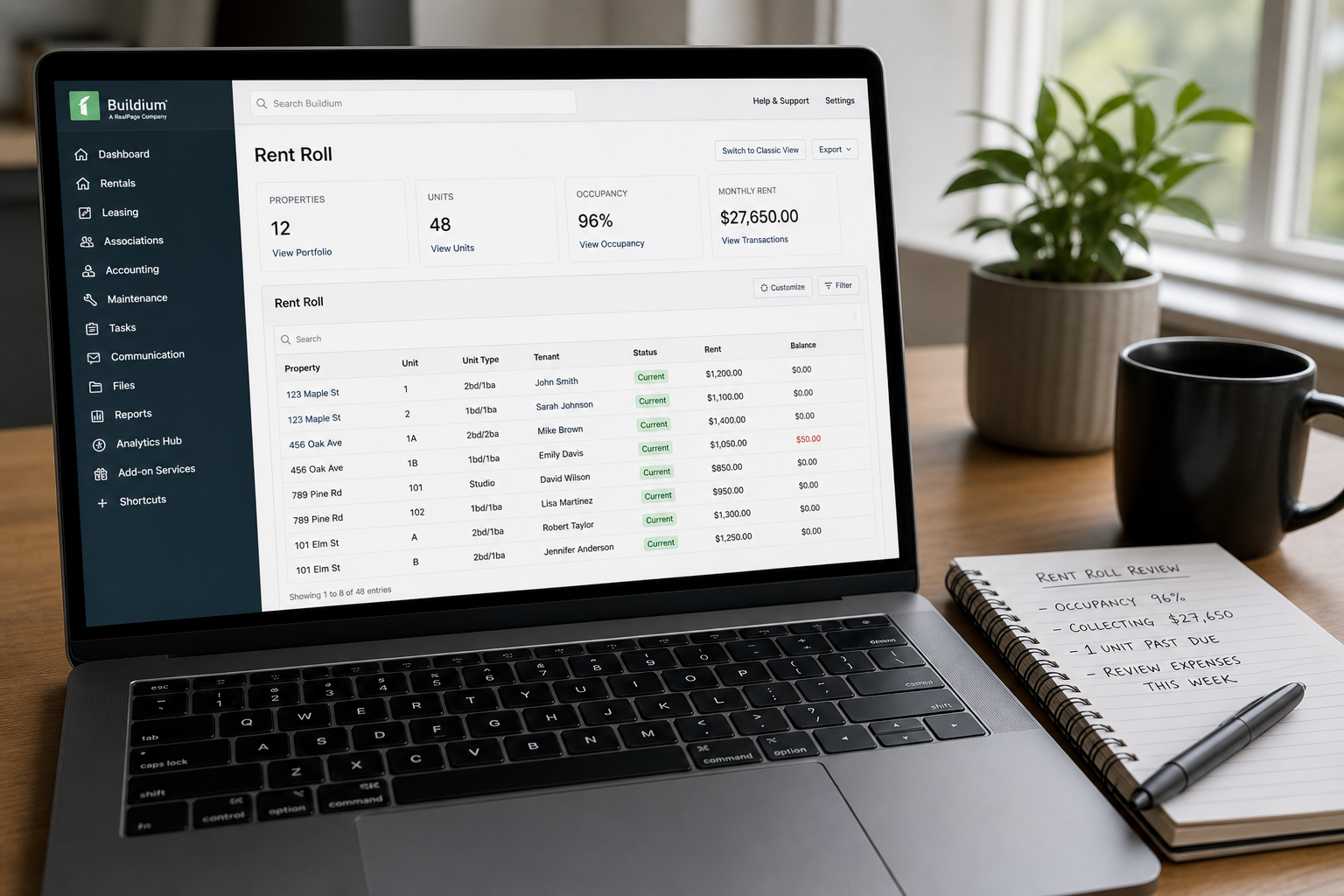
Most owners think buyers are scanning for rent amounts. That is only a small part of it.
What I am really doing is pressure-testing the story behind the numbers.
Consistency of rent payments
I want to see that tenants are paying regularly, not skipping months or paying partial amounts. A rent roll paired with clean bank statements builds trust immediately.
Lease structure and expiration timing
If every lease expires at the same time, that is a risk. It means income could drop all at once. Staggered leases create stability.
Actual vs. projected rent
Sellers often say rents are “below market.” That might be true. But buyers care about what is being collected today, not what could happen after renovations or turnover.
Vacancy and turnover patterns
Frequent move-outs signal a deeper issue. Either pricing is off or the property is not retaining tenants.
Additional income sources
Parking, laundry, storage, pet fees. These small lines matter more than people think because they add to total income without major cost increases.
Tools like AppFolio and Buildium make it easier to track and present this cleanly. When a rent roll comes exported from one of these systems, it usually signals organized management.
A messy spreadsheet tells the opposite story.
The quiet ways a bad rent roll destroys saleability
Most deals do not fall apart because of price. They fall apart because the numbers stop making sense under scrutiny.
A weak rent roll does not just lower value. It reduces the number of buyers willing to engage at all.
Here is how that plays out in real life.
A small multifamily owner holding a mid-size building tries to sell. The rent roll shows full occupancy, but lease dates are missing and several tenants are marked as “month-to-month” without documentation.
During due diligence, the buyer asks for lease agreements. Some cannot be produced. Others do not match the rent roll.
The buyer pulls back.
Not because the building is bad, but because the risk is unclear.
This is common enough that Fannie Mae’s multifamily guidelines emphasize documented income and lease verification as part of underwriting standards.
Fannie Mae Multifamily Guidelines
When documentation does not line up, buyers assume the worst-case scenario. They lower their offer or walk away entirely.
This is why two sellers can list similar buildings and get very different outcomes. One presents clean, verifiable income. The other presents a story that requires interpretation.
Buyers do not pay for interpretation.
The rent roll checklist buyers mentally run in minutes
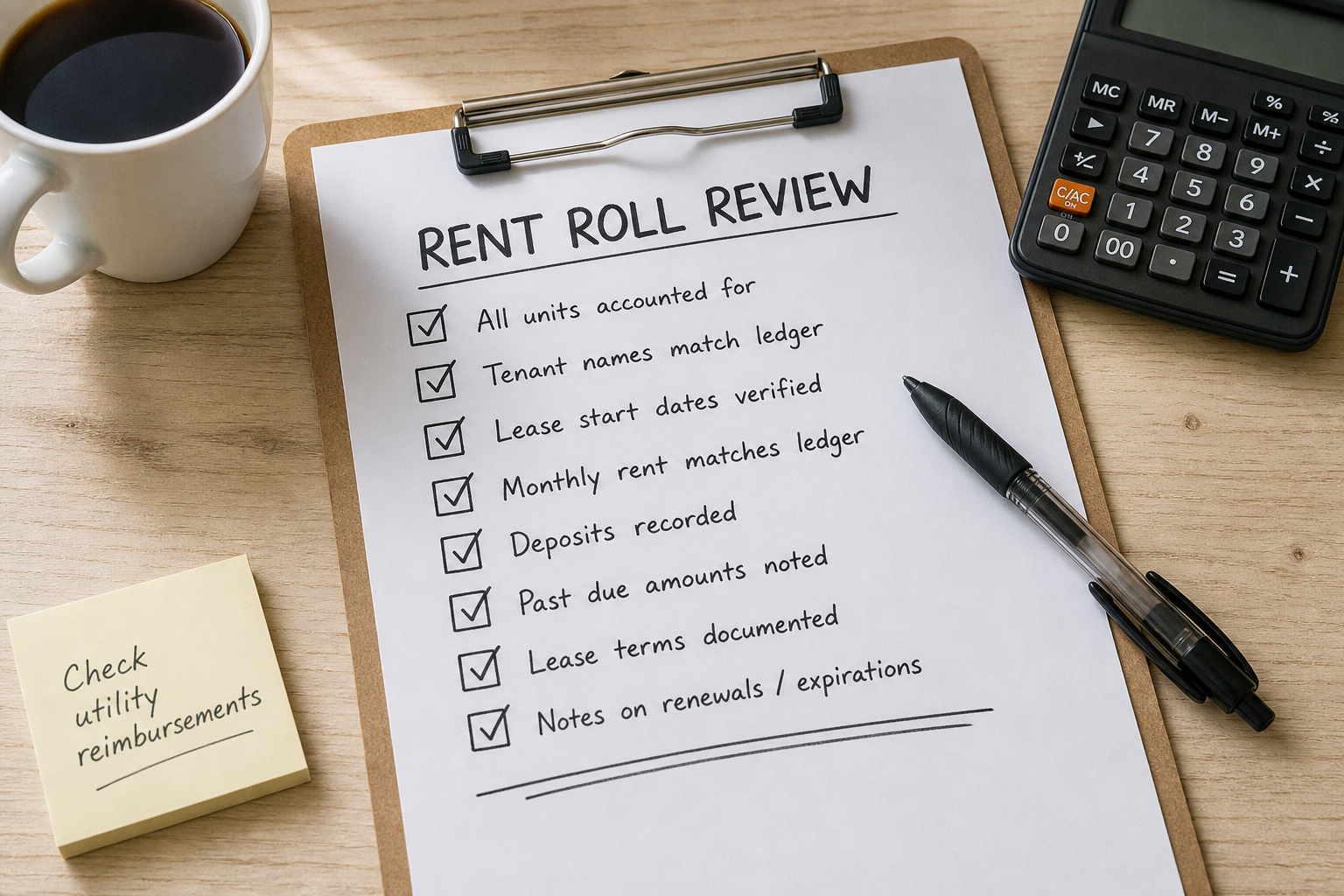
This is the part most owners never see. The internal checklist happening in a buyer’s head within minutes of opening your file.
Save this. This is how your property gets judged before a single conversation happens.
- Do lease terms exist for every unit? Missing leases signal weak control.
- Are rents consistent with what is actually being collected? Mismatches create distrust.
- Is tenant turnover stable? Frequent changes suggest operational issues.
- Are there unexplained concessions or discounts? Hidden incentives reduce real income.
- Is vacancy clearly reported? Ambiguity here raises immediate concern.
- Does the data match bank deposits? Buyers often verify this quickly.
- Is the format clean and readable? Presentation affects perceived professionalism.
If your rent roll fails even one of these, the buyer starts adjusting their offer downward. Not always consciously, but it happens.
This is why a clean rent roll does more than inform. It builds credibility.
Contrarian take: raising rents can hurt your sale price
Most owners assume higher rent automatically means higher value. That sounds right, but it can backfire depending on how it is done.
If rents are pushed aggressively right before a sale, without lease stability to support them, buyers discount that income.
They treat it as temporary.
A building with slightly lower rents but long-term tenants on solid leases often trades better than one with freshly increased rents and uncertain retention.
This shows up when buyers compare “in-place income” versus “pro forma income.”
The second one is the story. The first one is reality.
Investors pay for reality.
This is especially true when financing is involved. Lenders rely on documented income, not projections, when determining loan terms. The Consumer Financial Protection Bureau outlines how verified income plays a role in lending decisions across asset types.
Consumer Financial Protection Bureau
Pushing rents without strengthening the underlying leases can make your building look less stable, not more profitable.
How to fix your rent roll before going to market

If a sale is even a possibility in the next year, the rent roll needs to be treated like a financial document, not an afterthought.
Start with clarity.
Every unit should have a documented lease. Every lease should match the rent being collected. Any exceptions should be explained, not hidden.
Then move to consistency.
Standardize lease terms where possible. Avoid having everything expire at the same time. Staggering reduces perceived risk.
Finally, align documentation.
Rent roll, leases, and bank deposits should all tell the same story. When they do, buyers move faster and negotiate less aggressively.
Software helps here. Platforms like AppFolio or Buildium are not just for management. They create clean exportable records that buyers trust more than manually built spreadsheets.
This is one of those areas where small operational discipline creates a disproportionate impact on outcome.
What to do next if selling is even on your radar
If selling is a real possibility, preparation should start well before the property hits the market.
- Audit your current rent roll against actual bank deposits and lease agreements. Fix mismatches immediately.
- Organize all leases into a single, accessible system like AppFolio or Buildium for clean reporting.
- Stagger lease expirations where possible to reduce perceived income risk.
- Document any unusual situations clearly so buyers do not have to guess.
Owners dealing with inherited properties, major repairs, or tenant issues sometimes do not have the time or structure to clean all of this up.
In those situations, selling as-is becomes the simpler path.
If that is the case, svrehomeoffers.com is where those conversations start. The deal gets evaluated based on the current condition, rent roll included, without requiring everything to be perfect first.
Frequently Asked Questions
How does a rent roll affect apartment building value?
A rent roll affects apartment building value by showing the actual income the property produces. Buyers base their offers on this income because it determines how much the building pays them over time.
If the rent roll is inconsistent or unclear, buyers assume higher risk and lower their price accordingly.
What should be included in a rent roll?
A rent roll should include each unit, tenant name, rent amount, lease start and end dates, and payment status. Clean documentation is just as important as the numbers themselves.
Property management tools like AppFolio standardize this, which is why buyers trust those reports more.
Do buyers verify the rent roll during a sale?
Yes, buyers verify the rent roll by comparing it to leases and bank deposits. This process is part of due diligence before closing.
If the numbers do not match, deals often get renegotiated or canceled entirely.
Is below-market rent bad when selling an apartment building?
Below-market rent is not automatically bad. It can actually attract buyers if leases are stable and there is clear upside.
Buyers often prefer predictable income with room to grow over unstable high rents.
Can a messy rent roll stop a deal from closing?
Yes, a messy rent roll can stop a deal because it creates uncertainty about income. Buyers rely on clean data to justify their purchase and financing.
Missing leases or inconsistent records often lead to deal cancellations.