How to Sell a House in Foreclosure
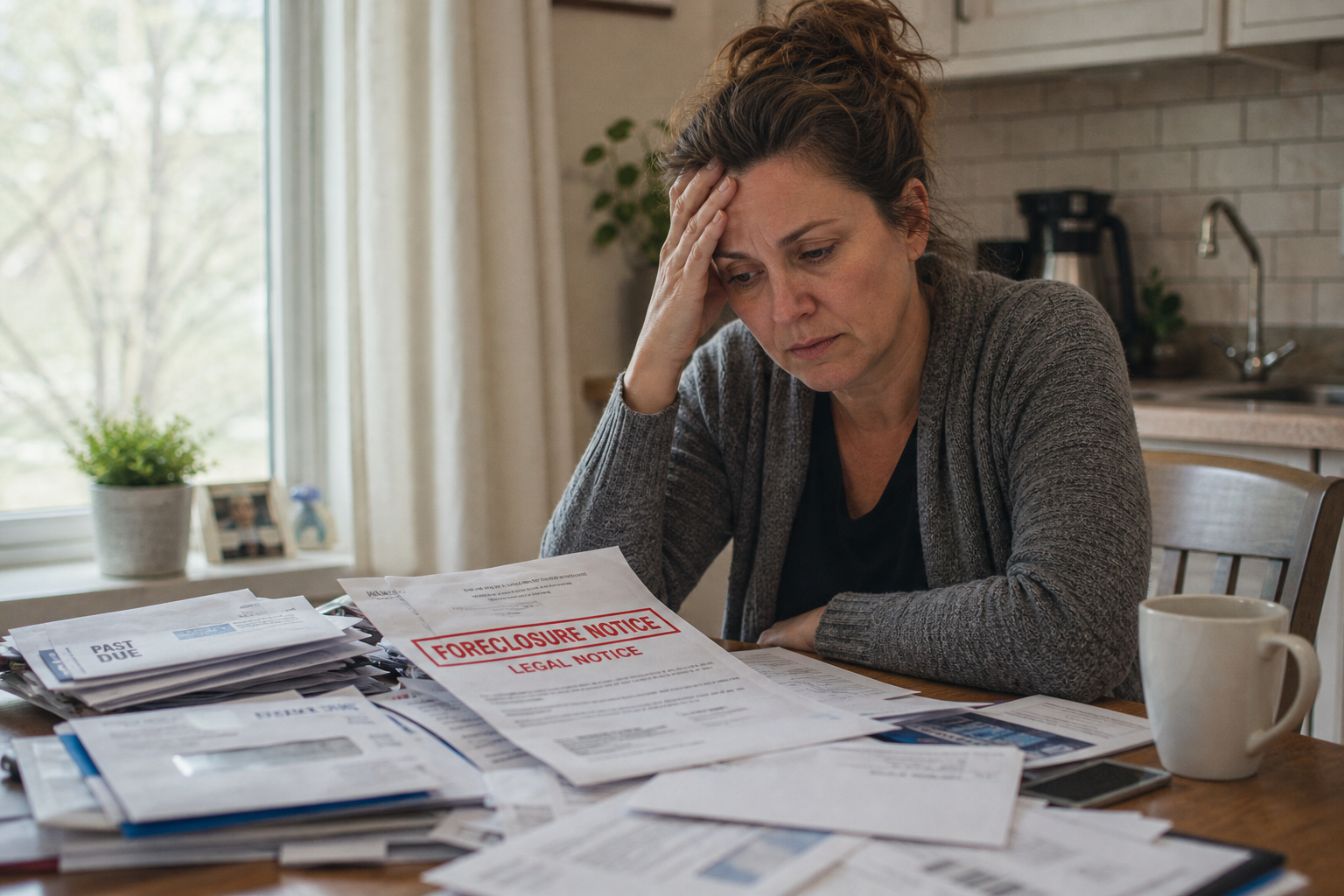
The moment most people realize foreclosure is real
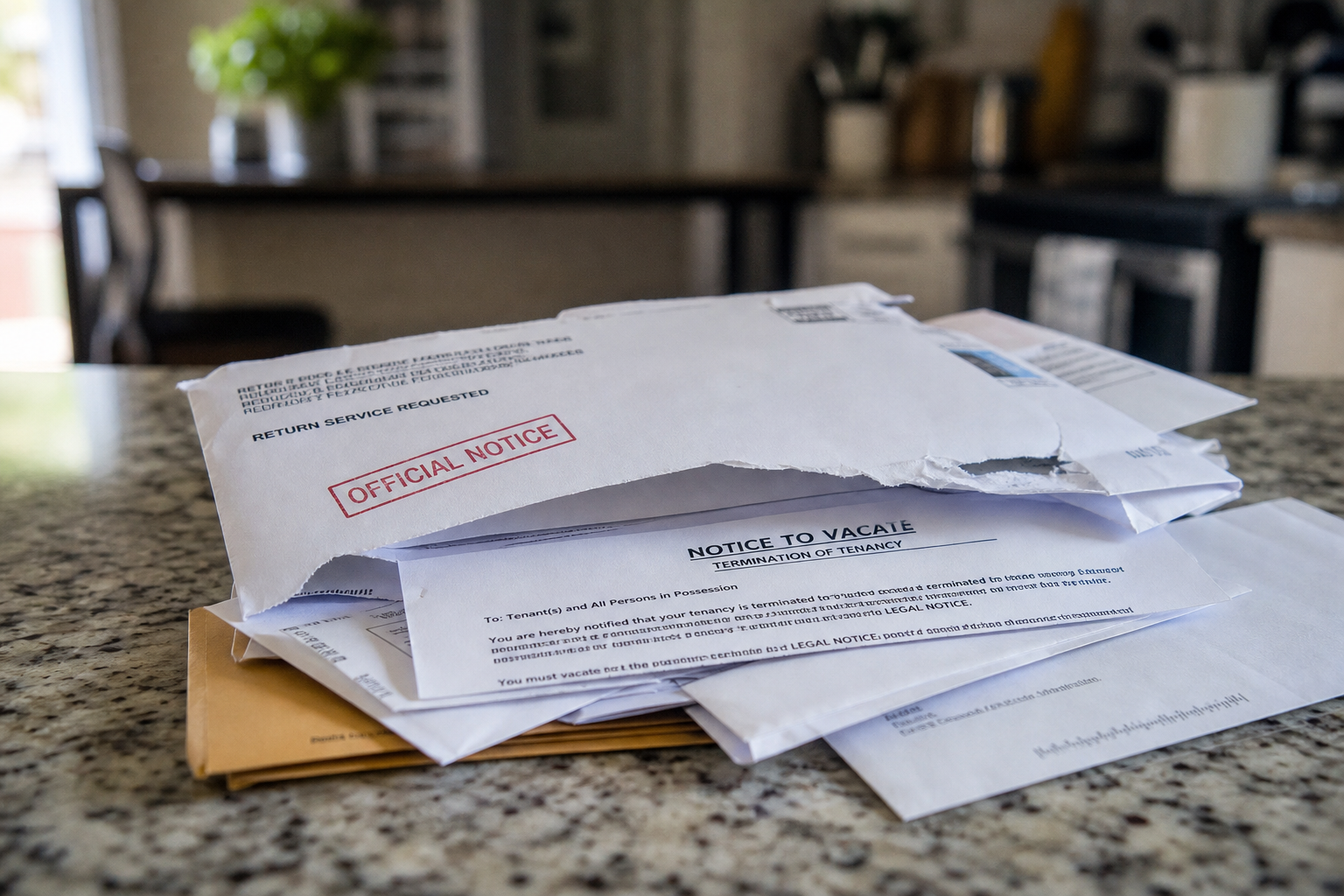
The envelope from the bank sits unopened for a few days. Then another one shows up.
That’s usually when it clicks. This isn’t a late fee problem anymore. This is a timeline.
Foreclosure is a process, not a single event. And the window to sell a house in foreclosure exists, but it’s smaller than most people think.
Missing one payment doesn’t trigger a foreclosure. But once the lender starts formal proceedings, every week starts to matter. The earlier you act, the more options you keep.
Most homeowners wait too long because they assume they’re out of options. That’s not true. Selling is still on the table in many cases, even after the process starts.
The real risk is not foreclosure itself. It’s losing control of the timeline.
What foreclosure actually means for your ability to sell
Foreclosure doesn’t block you from selling your house. It changes the rules around timing and payoff.
The lender’s goal is simple. Recover the money they’re owed. If you can sell the property and pay off the loan before the auction, the foreclosure stops.
That’s why selling works. You’re replacing a forced sale with a controlled one.
According to the Consumer Financial Protection Bureau, foreclosure is a legal process where the lender attempts to recover the balance of a loan after missed payments. That process doesn’t remove your ownership immediately. Until the final stage, the house is still yours to sell.
There are two key scenarios:
- You have equity: The house is worth more than what you owe. You can sell, pay off the loan, and keep the remaining cash.
- You’re underwater: You owe more than the house is worth. Selling is still possible, but it requires lender approval.
Both paths are better than letting the bank take it at auction, where properties often sell below market value.
The important shift is this. Once foreclosure starts, you’re not just selling a house. You’re racing a deadline.
The biggest mistake homeowners make when trying to sell in foreclosure
Waiting for the "perfect price" is what costs most people their equity.
There’s a belief that if you just list the house high enough, you can catch up and walk away clean. That logic works in a normal sale. It breaks under foreclosure pressure.
Time becomes more valuable than price.
The longer a property sits, the closer it gets to auction. Buyers know this. They move slower, negotiate harder, or disappear entirely.
This is where deals fall apart.
The more effective approach is pricing based on speed, not optimism. A slightly lower price that closes quickly often preserves more money than a higher price that never gets to the finish line.
The U.S. Department of Housing and Urban Development emphasizes early action as the key factor in avoiding foreclosure outcomes. That includes selling before legal deadlines tighten.
Speed creates options. Delay removes them.
A real scenario: how timing changes the outcome
A homeowner fell behind on payments after a job change. At first, it felt temporary. Then the notices started stacking up.
By the time the lender moved forward, the situation had shifted from “catch up later” to “solve this now.”
There was still equity in the property. That mattered.
The initial instinct was to aim high on price and wait for a strong offer. Weeks passed without traction. Interest came in, but nothing that moved fast enough.
The strategy changed. Price adjusted to attract immediate buyers instead of ideal ones.
The house sold before the auction date. Loan paid off. Remaining equity preserved.
Same house. Same market. Different outcome based on timing.
The lesson is simple. Foreclosure compresses decision-making. What works in a normal sale often fails under a deadline.
The exact steps to sell a house in foreclosure before auction
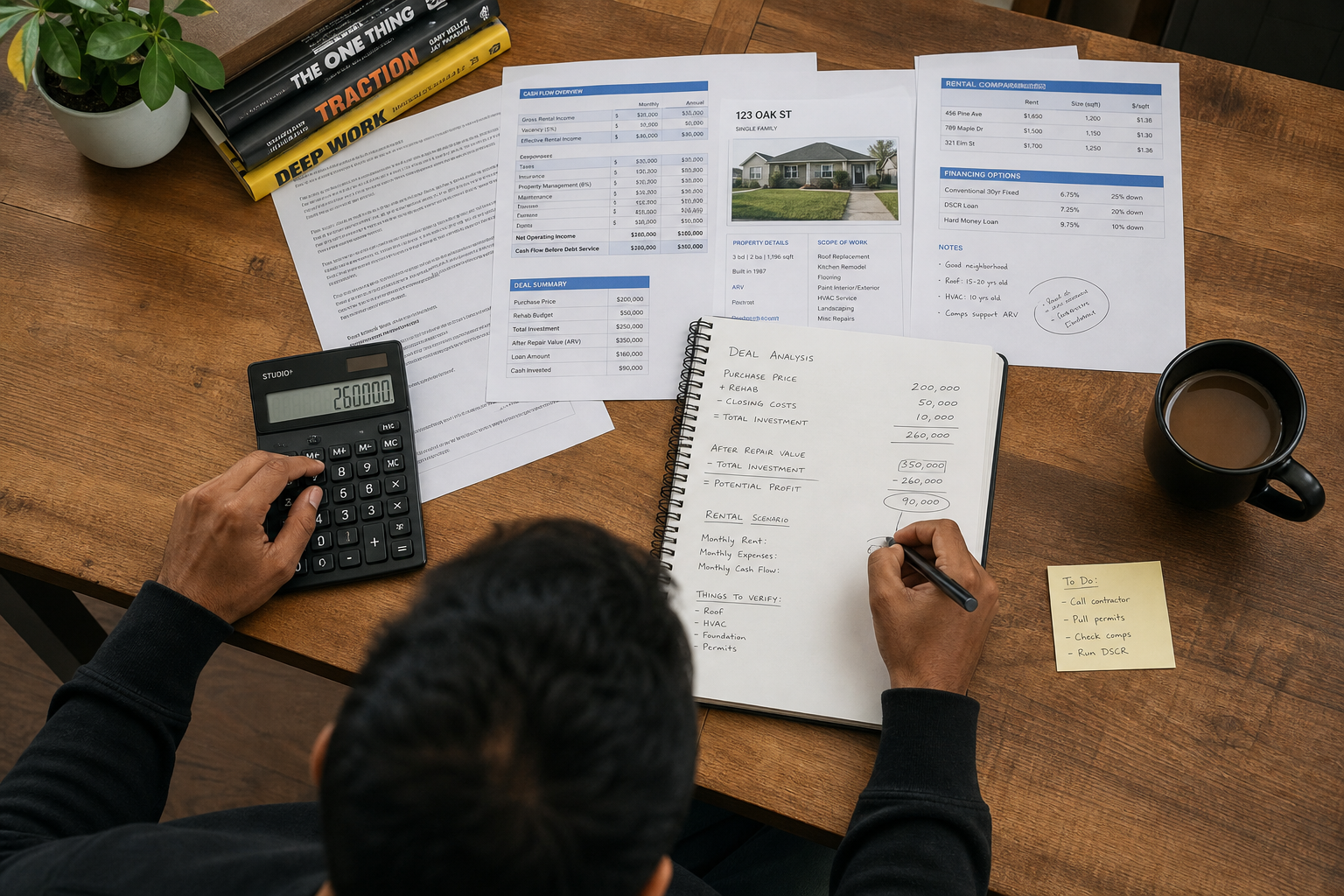
This is the part most people need clarity on. Not theory. Just what to do next.
Step 1: Call the lender
Find out the reinstatement amount and the payoff amount. These are not always the same. You need both numbers to understand your options.
Step 2: Determine your equity
Look at what similar homes are actually selling for, not what they’re listed for. This tells you whether you’re walking away with money or negotiating with the bank.
Step 3: Decide how you want to sell
- Traditional sale if there’s time and the house is in good condition
- Direct sale if speed matters more than price
Step 4: Disclose the situation
Buyers need to know there’s a deadline. Serious buyers will move faster when they understand the timeline.
Step 5: Stay in constant contact with the lender
Foreclosure timelines can shift. Extensions happen. But only if you stay proactive.
The difference between success and foreclosure usually comes down to execution speed across these steps.
When selling to an investor makes more sense than listing
Not every foreclosure situation fits a traditional sale.
If the house needs repairs, if time is tight, or if showings are difficult, a direct sale becomes more practical.
This is where investors step in. Not as middlemen, but as buyers.
The trade-off is straightforward. You’re often accepting a lower price in exchange for certainty and speed.
No repairs. No waiting. No financing falling apart at the last minute.
For many homeowners in foreclosure, that trade is worth it because it protects what matters most. Control over the outcome.
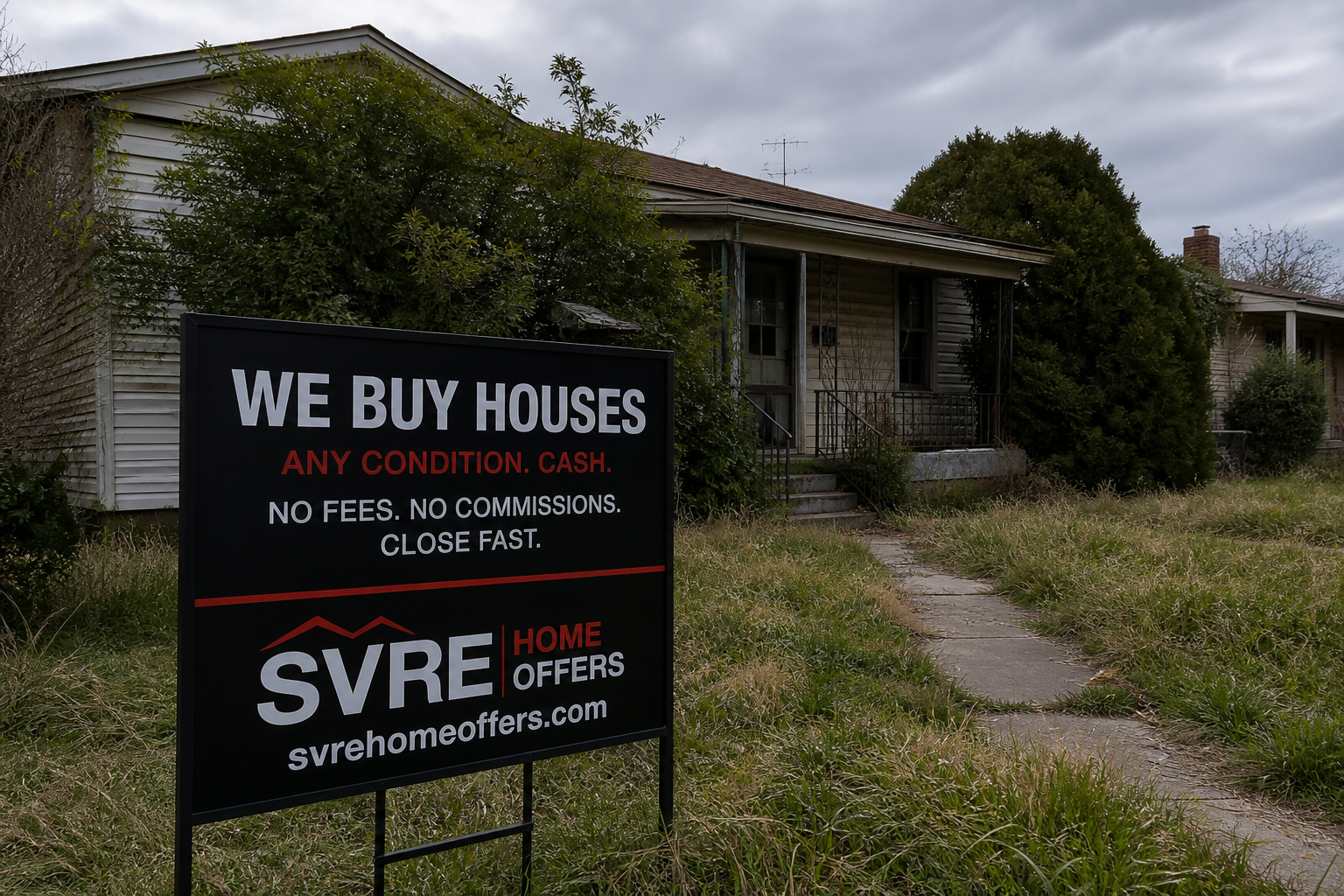
If the timeline is tight and the property needs work, selling directly to a buyer who can close quickly is often the cleaner path. You can see how that process works at svrehomeoffers.com.
The key is matching the strategy to the situation, not forcing a traditional sale into a timeline that doesn’t support it.
What happens if you wait too long
The auction doesn’t care about your original plan.
Once the foreclosure sale date arrives, the property is sold to the highest bidder. That number is often lower than market value.
You lose control of pricing. You lose control of timing.
In some cases, there may be little to no equity left after the sale. In others, there can still be financial consequences depending on the loan terms.
This is why selling earlier matters. Not because foreclosure is inevitable, but because the window to avoid it closes faster than most expect.
The earlier decisions happen, the more options exist. The later they happen, the fewer paths remain.
What to do in the next 48 hours if you’re behind
- Call your lender and request both the payoff amount and any deadlines tied to foreclosure proceedings.
- Look up recent sales in your area to estimate what your house could realistically sell for today.
- Decide whether speed or maximum price matters more based on your timeline.
- Explore both listing and direct sale options so you can compare real outcomes, not guesses.
- Move forward with the option that closes within your available window, not the one that looks best on paper.
If selling is on the table, the goal is simple. Close before the auction, protect whatever equity exists, and walk away on your terms.
Frequently Asked Questions
Can you sell a house in foreclosure before the auction?
Yes, you can sell a house in foreclosure before the auction as long as you still legally own it. The sale must close before the scheduled auction date, and the proceeds must cover the loan payoff.
This is confirmed by the Consumer Financial Protection Bureau, which explains that foreclosure is a process with multiple stages, not an immediate transfer of ownership.
Do I need my lender’s permission to sell during foreclosure?
No, not if the sale fully pays off the loan. You can sell without special approval as long as the lender receives the full amount owed.
If the sale price is lower than the loan balance, then the lender must approve it, which is often called a short sale.
Will selling my house stop foreclosure completely?
Yes, if the sale closes before the foreclosure auction and the loan is paid off, the foreclosure process stops.
The lender’s goal is repayment, so once the debt is cleared, there’s no reason to proceed with the foreclosure.
What if my house is worth less than what I owe?
You can still sell, but it requires lender approval for a reduced payoff. This is commonly referred to as a short sale.
HUD notes that lenders may agree to this if it results in a better outcome than a foreclosure auction.
Is selling better than letting the house go to foreclosure?
In most cases, yes, because selling gives you control over the price and timing. Foreclosure auctions often result in lower sale prices.
Selling also reduces long-term credit impact compared to a completed foreclosure, according to federal housing guidance.