
Can You Sell a House That Is Underwater?
The moment most homeowners realize they’re stuck
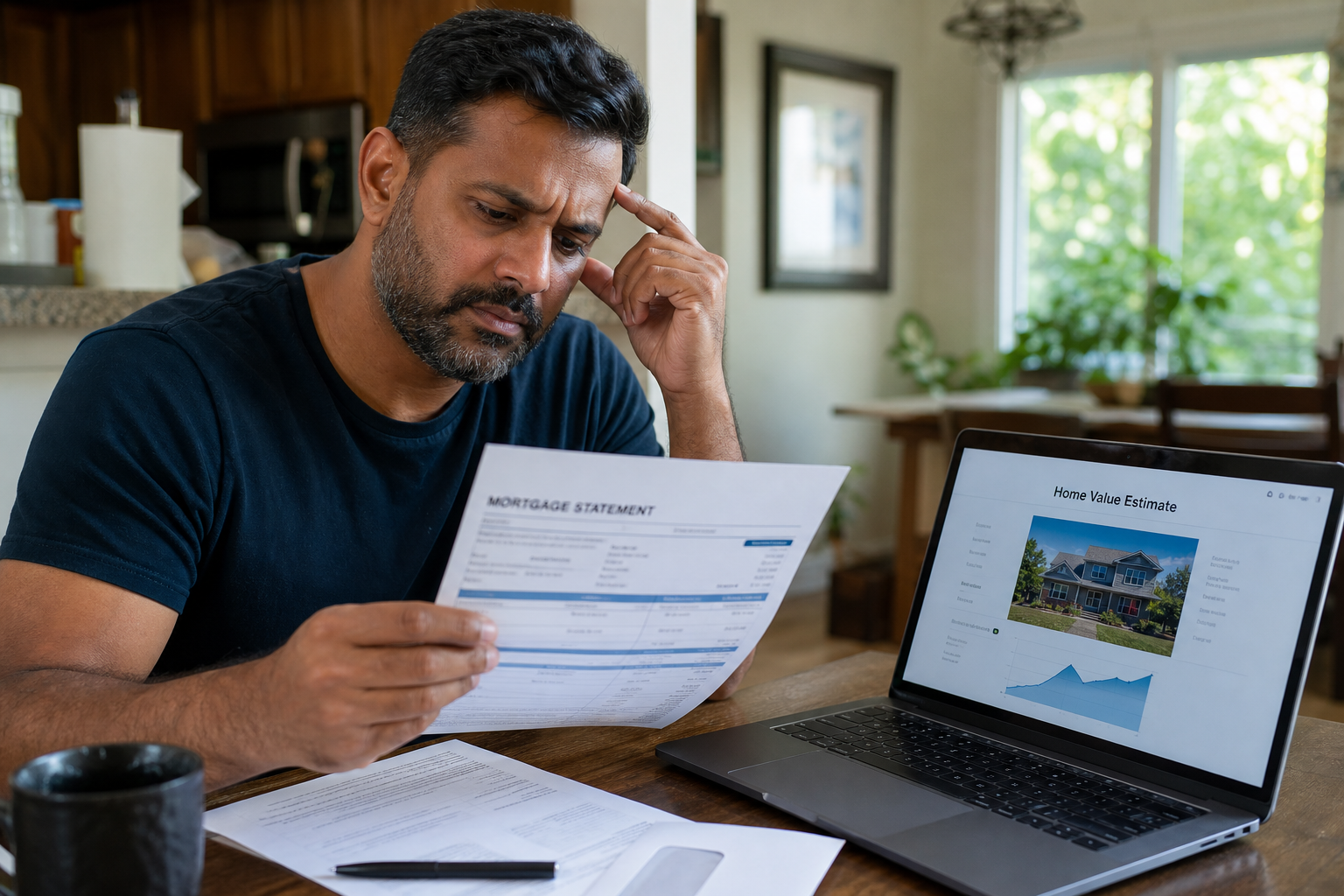
A homeowner opens their mortgage statement and Zillow estimate side by side and sees the gap. The loan balance is higher than what buyers are willing to pay. That gap is what people mean when they say a house is underwater.
It shows up more often than people expect. During market shifts, prices can flatten or drop while loan balances move slower. According to the Federal Reserve’s 2024 Report on the Economic Well-Being of U.S. Households, housing cost pressure remains one of the most common financial stress points for Americans.
That stress gets real when you need to move. Job change, divorce, inherited property, or just being done with the house. The question becomes simple and uncomfortable at the same time.
Can you sell a house that is underwater?
Yes. But it doesn’t work the way most people think it does.
Selling an underwater house means someone has to cover the gap
When a house is underwater, the math doesn’t disappear at closing. The loan still has to be paid off in full for the title to transfer cleanly.
That leaves three real paths:
- You bring cash to closing to cover the difference.
- You negotiate with the lender to accept less than what’s owed.
- You hold the property and wait for values or your loan balance to change.
Most people assume the bank will just "work with you." Sometimes they do. Often, they don’t unless there’s a clear hardship.
The Consumer Financial Protection Bureau outlines this clearly. Lenders are not required to forgive the difference unless a formal process is approved. See their guidance on mortgage relief options here: consumerfinance.gov mortgage help.
This is where a lot of confusion happens. Selling isn’t the hard part. Clearing the debt tied to the house is.
Short sales sound simple but they are slow and uncertain
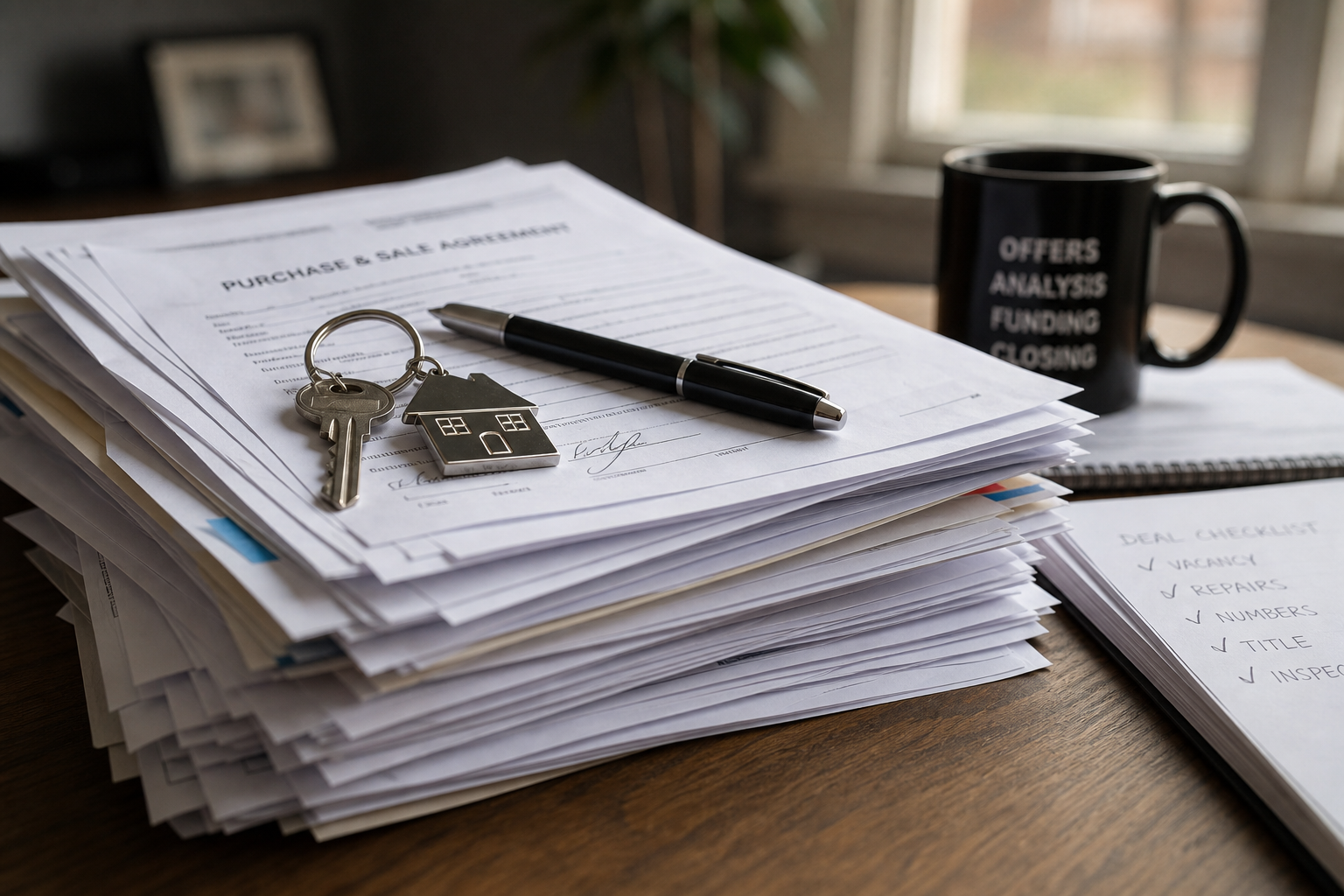
A short sale is when the lender agrees to let the property sell for less than what’s owed. It’s the most talked about option and the least understood.
On paper, it sounds clean. In reality, it’s paperwork-heavy and approval-driven.
Lenders review income, hardship, and the offer itself. They’re deciding whether taking a loss now is better than dealing with foreclosure later.
According to guidance from HUD’s short sale resources, the process requires full financial disclosure and lender approval before closing can happen.
Here’s where deals fall apart. Buyers don’t like waiting. Approvals can drag. The property sits in limbo while everyone waits on a decision from a bank that isn’t in a rush.
People go into short sales thinking it’s a quick exit. It rarely is.
The quiet option most people overlook
There’s another path that doesn’t get talked about as much. Selling directly to a buyer who understands the situation and can structure around it.
This usually shows up when the house has other friction. Repairs needed, tenant issues, or just a situation where listing traditionally creates more problems than it solves.
Instead of waiting on the market and hoping the numbers work, the conversation becomes direct. What does the lender need? What does the seller need? Can the deal be structured to close without dragging through months of uncertainty?
That’s not about getting top dollar. It’s about solving the problem attached to the house.
For someone dealing with relocation, inherited property, or a loan that outpaced the market, speed and certainty often matter more than squeezing every last dollar out of the price.
Contrarian reality: waiting can cost more than selling at a loss
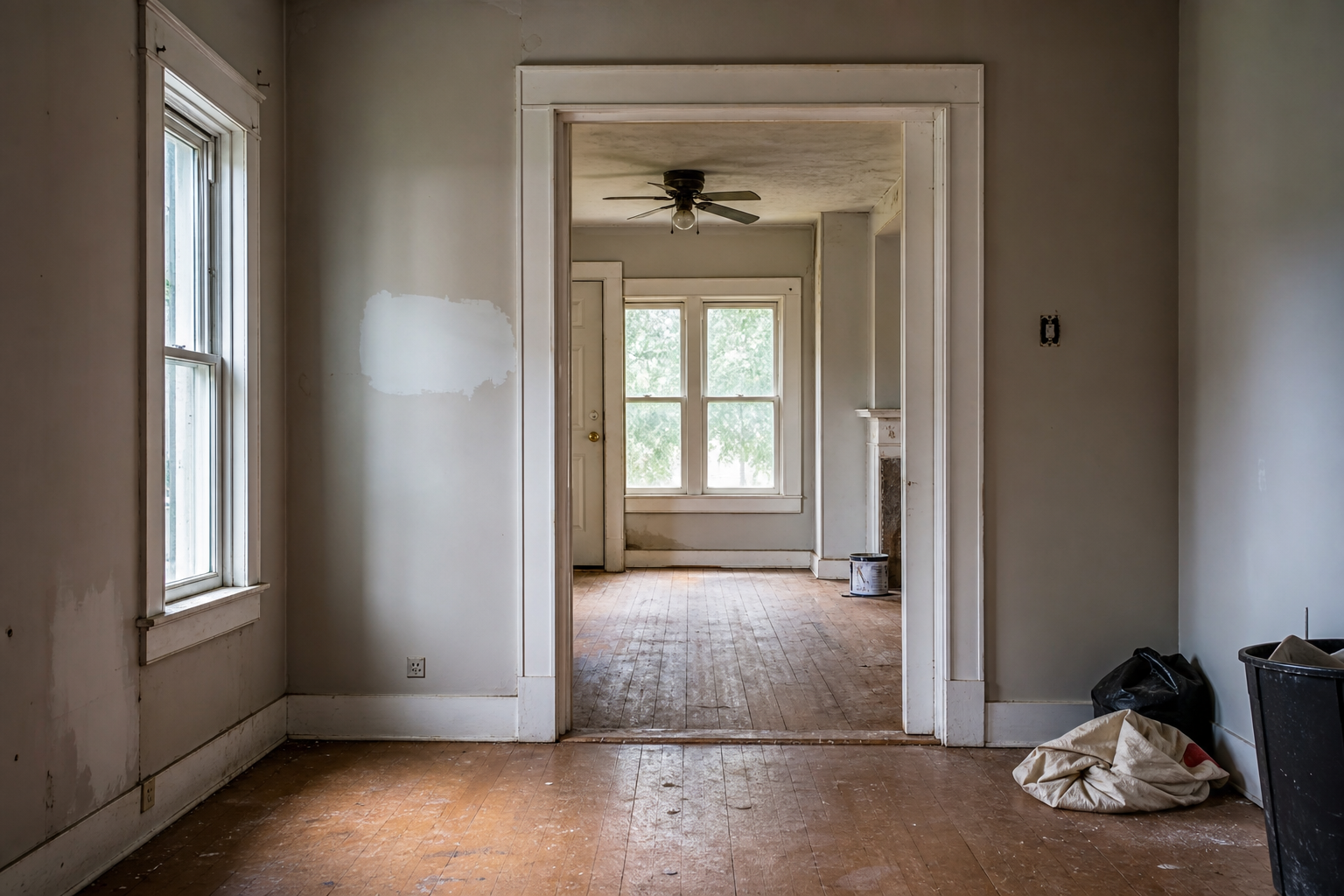
Most advice says to wait it out. Let the market recover. Hold the property until values catch up.
That sounds reasonable, but it ignores the monthly reality.
Mortgage payments, taxes, insurance, maintenance. Those don’t pause while you wait for the value to come back.
If the house sits vacant or becomes a rental that barely breaks even, the holding cost can quietly eat more than the gap you were trying to avoid.
The Bureau of Labor Statistics tracks housing-related expenses as one of the largest ongoing costs for households, reinforcing how consistent these payments are over time: BLS housing cost data.
Holding only works if the situation is stable and the timeline makes sense. If the property is already creating stress, waiting can turn a contained problem into a longer one.
Sometimes the cleaner move is to take a controlled loss and move on, instead of carrying uncertainty for years.
A real situation that shows how this plays out
A property owner dealing with an inherited house reached out after realizing the loan balance was higher than what buyers were offering. The house needed repairs and had been sitting vacant.
The initial plan was to list it and hope the market covered the difference. After a few conversations with agents and seeing the likely sale price, it became clear that listing would still leave a gap and extend the timeline.
The decision shifted from "How do I get the highest price?" to "How do I exit cleanly without dragging this out?"
That shift is what actually moves deals forward in underwater situations. The goal changes from maximizing price to minimizing damage and uncertainty.
Once that happens, the options become clearer and decisions get easier to make.
What actually happens at closing when a house is underwater
Closing looks normal on the surface. Title company, paperwork, signatures.
The difference is in how the numbers settle.
If the sale price doesn’t cover the loan, one of two things happens. The seller wires the difference, or the lender has already agreed to accept less through a short sale approval.
There’s no version where the missing amount just disappears without agreement.
This is why buyers, title companies, and lenders all stay closely involved in these deals. Everyone needs clarity on how the gap is being handled before the transaction can complete.
It’s less about the house and more about the debt attached to it.
Next 48 hours if you think your house is underwater
- Check your exact payoff amount with your lender. Not the estimate, the real number.
- Compare that to actual recent sales, not listing prices. Use platforms like Zillow or Redfin for comps.
- Call your lender and ask directly about short sale eligibility and required documentation.
- Assess your timeline. Are you trying to move quickly or can you hold?
- Decide which matters more right now, maximizing price or reducing stress and uncertainty.
If you’re in a situation where the house needs work, timing matters, or the numbers don’t line up cleanly, you can see how direct-sale options work at svrehomeoffers.com. That route exists for people who need a clear exit, not a long process.
Frequently Asked Questions
Can you sell a house that is underwater on the mortgage?
Yes, but the loan still has to be resolved at closing. That usually means bringing cash to cover the gap or getting lender approval for a short sale.
What is the best option if my house is worth less than I owe?
The best option depends on your timeline and finances. If you can cover the gap, a normal sale is fastest. If not, a short sale or direct negotiation with a buyer and lender becomes the path.
Does a short sale hurt your credit?
Yes, but typically less than foreclosure. The exact impact varies, but lenders report the reduced payoff, which affects your credit profile.
Can I rent out my house instead of selling it underwater?
Yes, if the rent covers your mortgage and expenses. If it doesn’t, you’re paying monthly to hold the property, which can add up over time.
Do banks forgive the remaining balance after a short sale?
Sometimes, but not always. Some lenders forgive the deficiency, others may pursue it unless it’s negotiated as part of the approval.